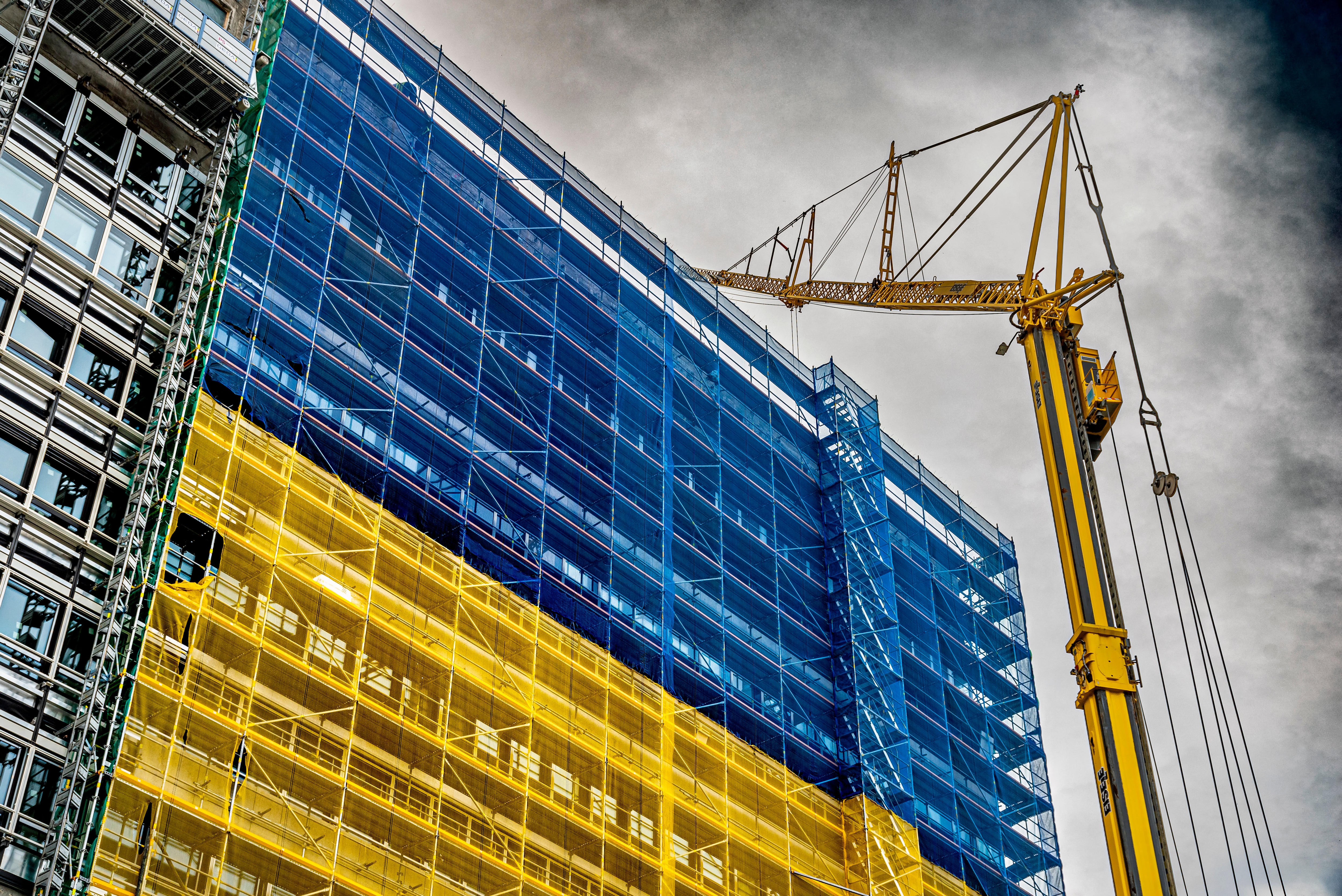
Rebuilding Ukraine

The cost of Ukraine’s reconstruction is estimated at $588 billion over the next decade.1 This massive undertaking will require private capital alongside public funding, as international governments are unlikely to fully finance recovery.
This Citi Institute report examines how private investment can contribute through foreign direct investment (FDI), venture capital, public-private partnerships and co-investment with international financial institutions (IFIs).
We see three drivers of investment into Ukraine: EU integration and reforms, global defense spending priorities and demand for critical minerals.
However, challenges remain including ongoing security risks, potential human capital shortages and the geographical mismatch between investment supply (favoring western Ukraine) and reconstruction demand (concentrated in eastern frontline regions).
Key Takeaways
1. Massive reconstruction cost: Ukraine needs $588 billion over 10 years – almost three times its 2025 GDP.2
2. Top sectors damaged: Energy, transport, and housing each require approximately $90 billion in reconstruction funding.
3. Private capital will find investable opportunities: While public funding will remain essential, many of Ukraine’s reconstruction needs can become bankable projects.
4. FDI could reach $87-145 billion: Depending on reform progress and business confidence, our scenario analysis suggests that foreign direct investment could contribute 15-25% of needs.
5. Defense and minerals: Ukraine’s defense innovation and critical raw materials are likely to play a key role in the country's reconstruction.
6. IFIs mobilize additional capital: International financial institutions could attract €20-50 billion in private co-investment over a decade.3
1 World Bank Group, Ukraine: Fifth Rapid Damage and Needs Assessment (RDNA5)
2 World Bank Group, Ukraine: Fifth Rapid Damage and Needs Assessment (RDNA5)
3 Citi Institute analysis of American Chamber of Commerce in Ukraine, UNCTAD, Statista, Global Data