
Navigating a 'Buyer-Beware' Art Market
HIGHLIGHTS
- Citi’s Art Advisory and Art Finance teams guide ultra-high net worth clients in managing their art collections as both a passion and an asset
- The advisory team educates clients on everything from an artwork's cultural significance to its financial worth, ensuring a disciplined and informed approach to building an art collection
- With art financing, clients can access capital through art-backed loans even while keeping the artwork in their homes, providing a unique financial flexibility that allows them to enjoy their collection while leveraging its value
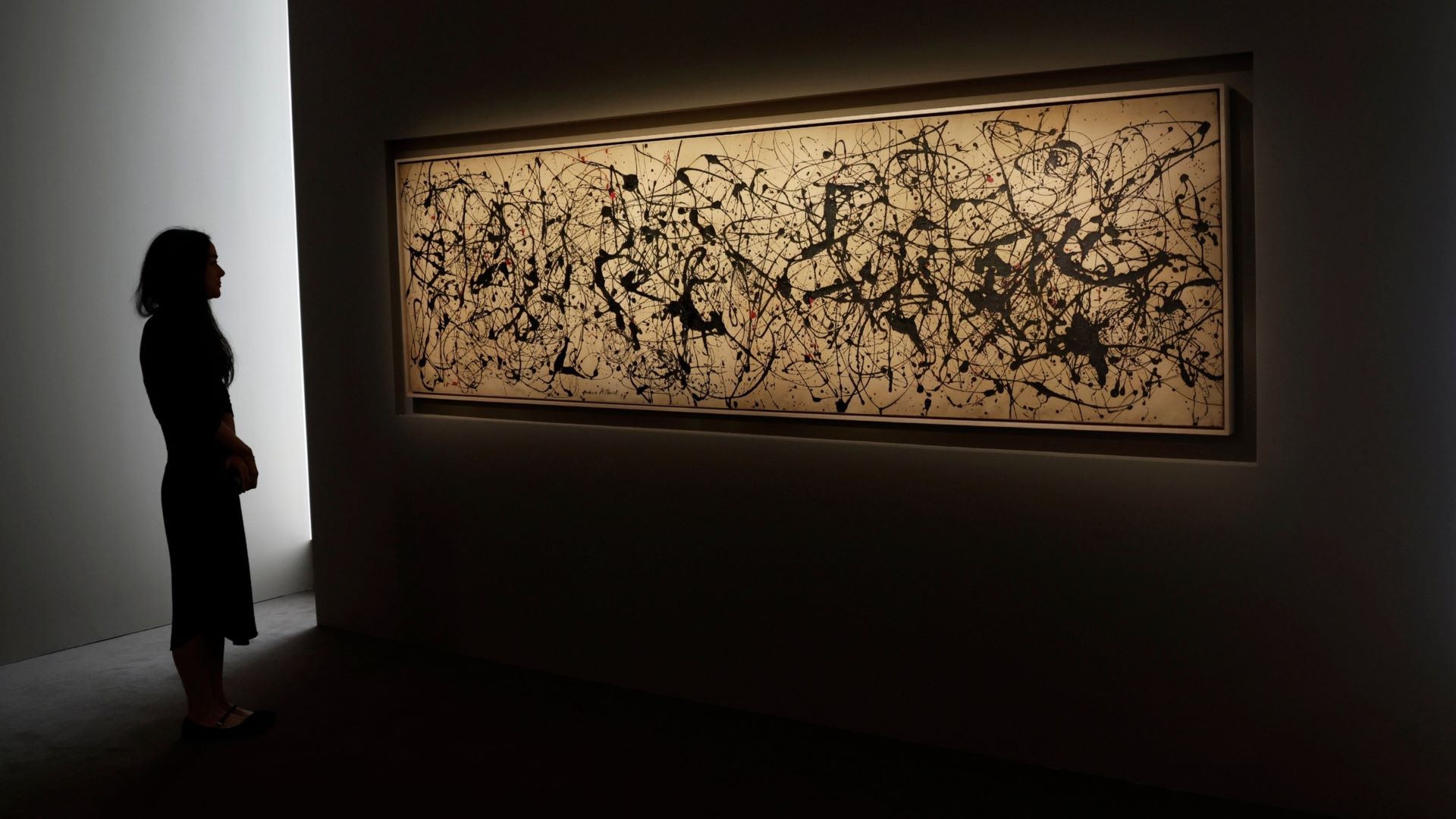
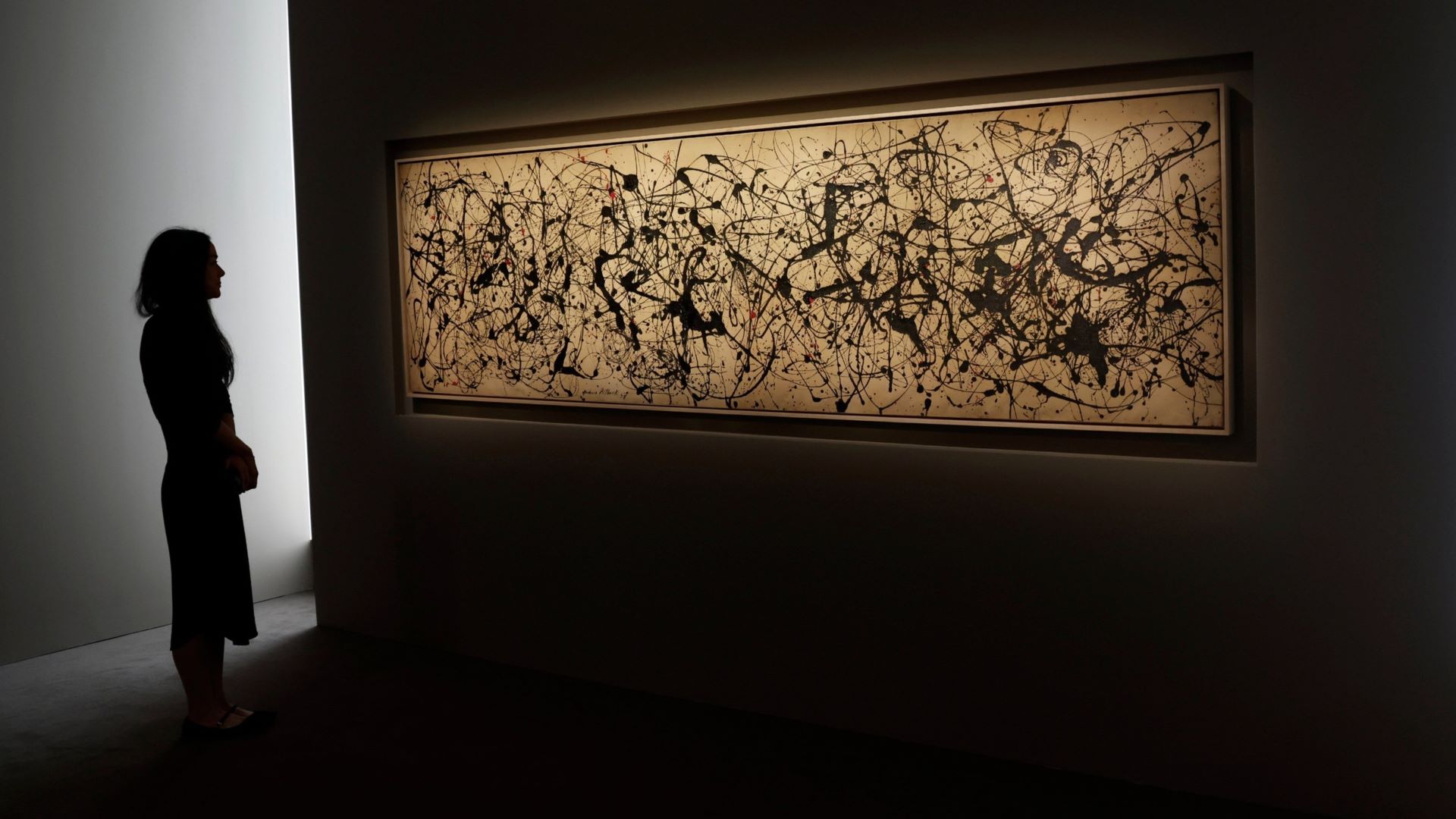
When a Jackson Pollock drip painting sold for more than $180 million in May 2026 as part of the auction of S.I. Newhouse’s private collection, it contributed to roughly $2.5 billion (including buyers’ fees) in combined season sales across the marquee auction houses of Christie’s, Phillips and Sotheby’s. In 2022, masterpieces by Post-Impressionists Georges Seurat, Paul Cézanne and Vincent van Gogh went to auction at Christie’s as part of the Paul G. Allen Collection and collectively fetched a then-record-breaking $1.62 billion.
While such headline-grabbing sales offer a glimpse into the pinnacle of the art world, the journey to determine the individual value of a work of art is far more nuanced.
The conversation starts with subject matter and provenance — not only what a work represents, but where it has lived and traveled before arriving at its current home. Only later does the question of value arise, determined through expertise, context and care.
This intersection of passion and long-term value is precisely where Citi’s Art Finance and Art Advisory teams operate.1 And the opportunity is significant: a recent report estimated the value of the global art market at $59.6 billion in 2025. Furthermore, a historic transfer of wealth between generations is well underway, fueling what Citi’s Head of Wealth Andy Sieg calls a “structural shift,” with cross-border wealth among ultra-high net worth individuals forecast to grow by $6 trillion through 2030 alone. In this context, an art collection is not just an asset, it’s part of a legacy, demanding seamless global coverage.
What began in 1979 as a single offering within Citi Private Bank has since evolved into two distinct — yet closely connected — teams within Citi’s Wealth business. Art Finance, under Wealth Lending, enables clients to access liquidity by leveraging high quality art collections as a source of financing, while Art Advisory, aligned within the Global Family Office Group, supports clients in building collections through independent guidance and education on due diligence best practices.
Five specialists across two teams within Citi approach different sides of the art equation. Each expert brings a wealth of experience based on their deep background in the art market. They are further united by a shared objective: helping ultra-high net worth clients navigate a global art market that is as compelling as it is complex.
Turning collections into capital
Increasingly, collectors are looking to unlock the financial potential of their art. “Art may begin as a passion, but it can evolve into an asset that works for you,” says Fotini Xydas, Head of Art Finance.
Fotini and her team focus on transforming art into a source of liquidity. “In many cases, art appreciates over the long-term while you derive emotional, aesthetic and intellectual rewards,” she explains. “You can simultaneously take that capital and deploy it for other purposes.”
This financial strategy is designed for ultra-high net worth clients — typically those with more than $100 million in net worth. Their collections often begin around $10 million. “We lend on average 50% of the value of their collections,” Fotini explains.
Rather than relying on external appraisers, the Art Finance team values artwork in-house — this is complimentary and a key differentiator for Citi which enables faster decisions and greater confidentiality. “Discretion and efficiency are key,” Fotini notes.
In many cases, clients are able to live alongside their art. In North America, as well as select international jurisdictions like the UK and Hong Kong, clients may keep art in their homes and offices while benefiting from an art loan. When a piece cannot remain in a private residence, Citi ensures it is safeguarded in museum-quality storage or even placed within a museum itself, as a private collection on public display. This flexibility allows clients to enjoy their art while simultaneously unlocking its financial potential.
What clients do with that liquidity varies widely, often reflecting their entrepreneurial spirit. “Many of our clients take the capital and invest back into their businesses; some use it to acquire more art.” Others deploy it toward broader wealth planning goals, including tax-efficient estate strategies as collections may appreciate over time.
For clients whose collections have surged in value over several decades to become a sizable portion of their net worth, an art loan allows them to defer the sale of art and mitigate potential tax consequences, while affording families the proper time to carefully consider the next steps for the collection — whether they choose to keep it, sell it or donate it.
And liquidity is only one part of the art equation. Determining what to acquire, what it’s worth and why it matters requires a different kind of expertise altogether.
Bringing clarity to an elusive market
For many collectors, the art world can feel exhilarating — and daunting. Unlike financial markets, it is far less regulated. Pricing is often opaque, transactions are frequently private and determining authenticity and fair value requires both experience and access. Values range from a few hundred dollars for a work of art into the hundreds of millions. To put that into context, the November 2025 Modern and Contemporary Art Auctions in New York registered an impressive total of $2.2 billion in sales.
Citi’s Art Advisory team helps clients navigate the market. Led by Betsy Bickar, the team is composed of trained art historians whose careers span museums, galleries and auction houses. She notes, “The bank really saw a need for transparent, objective, informed advice.”
While data is hard to verify regarding how many transactions occur privately, Betsy estimates that private sales likely comprise at least 40% or even 50% of the overall art market, including artwork (mostly painting and sculpture) from the 17th to 21st centuries.
For clients building a collection, the journey is shaped by close collaboration and the full depth of Citi’s expertise. “They love art and they have the means to acquire it, but the marketplace can be intimidating,” Betsy explains. “So, we take them through why they might buy one piece of art over another. We educate them about the artist and their work. We talk about the condition, the pricing, the place the work has, or may one day have, in the art-historical canon.”
That emphasis on education also reinforces disciplined decision making. As Betsy highlights, “We're advising people to buy art primarily because they love it, but also to really do all the due diligence around it because it’s a buyer-beware market.”
The unseen work behind the art
Beyond research and giving good counsel, much of the Art Advisory team’s value lies in execution. Major acquisitions often involve complicated logistics that extend well beyond the point of sale.
With fine art representing more than half of the value of insured art globally, Betsy and her team advise on third-party installation of major works, helping the client ensure that each piece is carefully transported, handled and displayed in a way that protects both its cultural significance and its financial worth. From specialized crating to climate, light and placement considerations, every detail is thoughtfully managed.
“If a client wants a painting that doesn’t fit into their house, how do you get it through the window?” Betsy asks. “You have to remove the window or crane it up. We make sure the client understands how to ensure that the crate is built properly, and that they have the tools to make sure that the work is installed by professional art handlers.”
Quality control doesn’t stop with advisory. For pieces pledged as collateral, Citi’s Art Finance team conducts in person inspections at loan inception and annually thereafter, reviewing condition, care and display to ensure each artwork continues to be properly maintained over time.
The bottom line — as collectors look more closely at art as a component of their financial portfolio, the need for expert guidance at the intersection of art and finance is only growing and Citi is ready to meet the demand.
For more information, contact Kelly Smith and Michele Mendelson.
1Citi Wealth Art Advisory is a fine art consulting service that provides general advice on the art market, best practices, collection administration, estate consultation, and philanthropic planning. Alternative assets such as art are speculative, may not be suitable for all clients, and are intended for those who are willing to bear high economic risks. Citi Wealth Art Advisory does not advise clients on purchase or sale prices, how to profit from the purchase of art or guarantee that a particular piece can be sold or otherwise used for a financial transaction for any amount including an amount equal to the purchase price.