
The New Capital Controllers
HIGHLIGHTS
- Financial conversations are finally catching up to the ambition and expertise that women have always possessed. Women are now demanding a more sophisticated and relevant dialogue.
- Women control 32% of the world’s wealth and that’s expected to rise to 50% by 20351
- $124 trillion globally is expected to shift in the Great Wealth Transfer with women positioned to be the primary beneficiaries
- Women are redefining retirement and wealth with a focus on purpose, flexibility and agency alongside financial security
Women are building careers, starting businesses, inheriting assets, and increasingly making financial decisions that shape their future. Citi estimates that the Great Wealth Transfer—estimated at $124 trillion globally—will disproportionately shift wealth control to women through inheritance and longevity. Together, these forces are changing how women engage with wealth and approach long term financial planning.
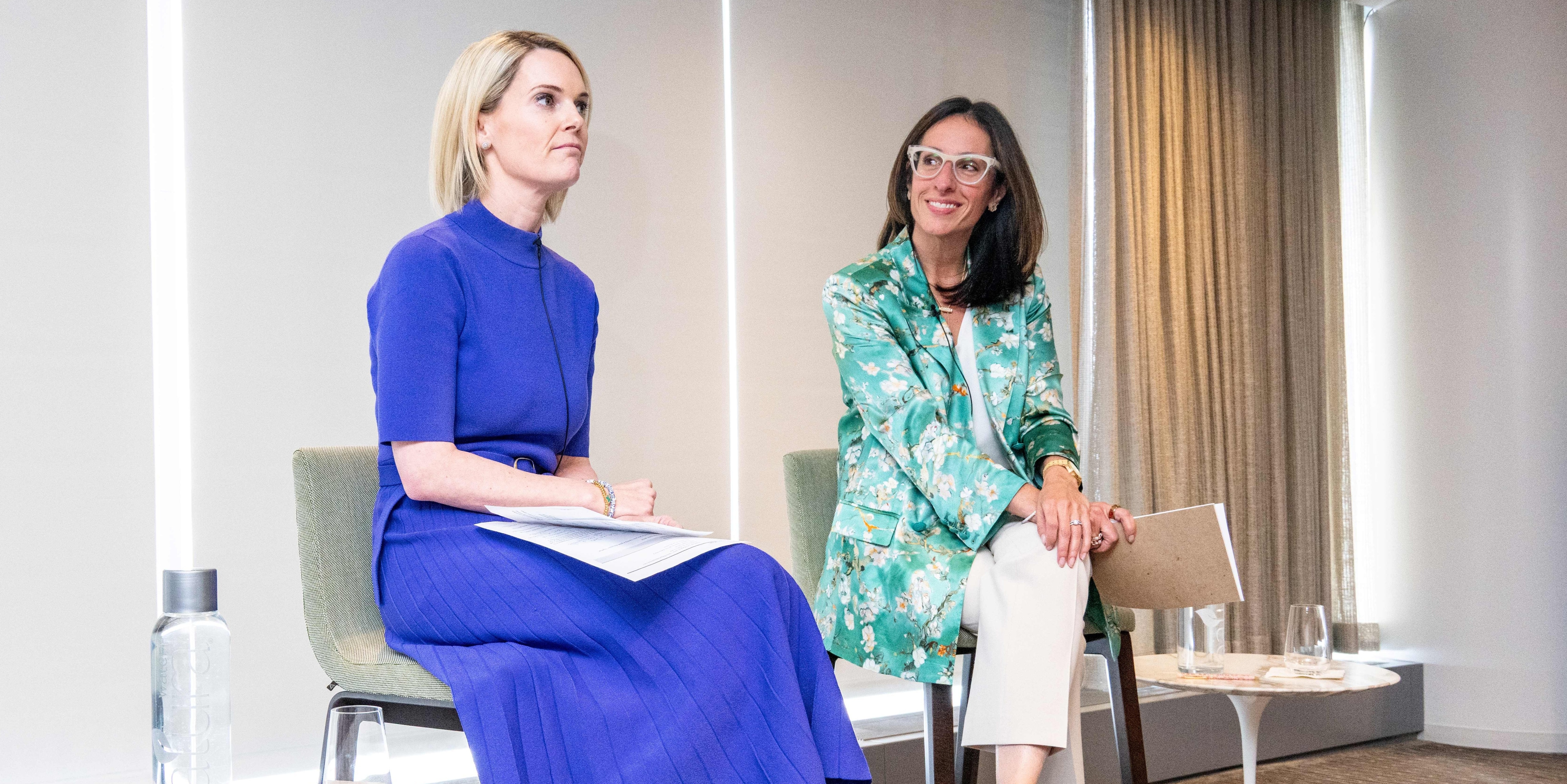
Kris Bitterly, Citi’s Head of Wealth at Work, led a special conversation at an event organized by Lustre and hosted by Citi at the bank’s global headquarters called “The New Age of Retirement,” which focused on the evolving nature of women’s lives as they transition into retirement and beyond. Speakers at the event included leading experts in healthcare, financial services, real estate, and law.
Lustre was co-founded by Erica Baird and Karen E. Wagner, who started the organization to reimagine the concept of retirement for women.

Nazanien Monasebian-Knafo, Citi Wealth Private Banker, with Lustre Co-Founders Erica Baird and Karen E. Wagner
At the panel entitled “We Hold the Purse,” Kris was joined by Jaime Magyera, Head of U.S. Wealth and Retirement Businesses at BlackRock, for a thoughtful discussion on how women can better connect their financial plan to their overall life goals, drawing on real-world experiences and shared perspective.
“Wealth isn’t about beating the market or amassing money for its own sake,” said Kris at the event. “It’s about creating choice, agency, and purpose across every chapter of your life, including retirement.”
Speakers shared that women will expand their influence and control over capital in the coming years due to a myriad of factors, including longer life expectancy, earnings, transfer, and growing financial decision making authority.
“It’s important that we continue to elevate the dialogue around the evolving realities of women’s lives—by listening closely, engaging thoughtfully, and meeting this moment with the respect it deserves,” said Nazanien Monasebian Knafo, Citi Wealth Private Banker.
“As women continue to rise as earners, owners and acquirers of wealth, the role of advice is more critical than ever,” said Jaime Magyera, Head of U.S. Wealth and Retirement Businesses at BlackRock. “This structural shift is driving greater demand for personalized portfolios, tailored to individual goals and needs at every stage of life—through retirement and all the chapters that follow. We believe investing is the clearest sign of hope in the future. It’s both an opportunity and a responsibility for our industry to meet this moment and help more women invest with confidence.”
During the event, Kris and Jaime shared why it’s important women remain actively involved in their financial health and consider the following key tips:
You Don’t Need to Be a Finance Expert to Make Smart Decisions
Many highly successful women—even those working in finance—say they never learned how to manage their own money. Financial literacy is not intuitive, and it’s rarely taught early. The good news is that you don’t need to be an expert to be a smart investor. A solid plan, basic education, and trusted advice matter far more than knowing every technical detail.
And investing early matters more than investing perfectly. Even small, consistent contributions can compound into something meaningful over time. Opening an IRA, contributing to your workplace retirement plan, or investing a modest amount each month can build confidence and momentum, along with assets.
Be Risk Aware Not Risk Avoidant
There’s a myth that women are risk averse. In reality, many women are risk aware: they want to understand the trade-offs before making decisions. That’s a strength. Asking questions, understanding downside risk, and aligning investments with real-life needs leads to better choices, not missed opportunities. Women spend more time in the market versus trying to time to the market. Women also tend to invest in line with their values.
Plan for a Financial Life That Isn’t Linear
Women’s financial lives are often nonlinear. Careers may pause or pivot, and caregiving responsibilities can shape income patterns. Women also tend to live longer and are more likely to manage wealth later in life, through widowhood or divorce. They may also start businesses at different stages of life, including retirement. Planning your finances around “what’s next” instead of a single finish line can help your money work harder and align better with how you want to live. This can make wealth management planning more nuanced. Portfolios should reflect flexibility, income needs, and longevity. It’s not a one-size-fits-all model.
Expect—and Insist on—a Seat in the Financial Conversation
Many women report feeling excluded from financial discussions, even when they are the primary earners or decision makers. It’s important to have a wealth advisor who speaks to you, listens to your goals, and treats you as a partner. It’s important that you feel heard, so that portfolio decisions are aligned with your priorities. Some 80% of widowed women switch advisors within a year when no meaningful relationship existed prior to the transition.2 A wealth advisor plays a critical role in building confidence and turning complexity into clear and relevant guidance to help you realize life goals.
Approach Investing as an Act of Optimism
Investing is a belief in the future. When you invest, you’re putting your capital behind ideas, companies, innovation, and communities that you believe in. That optimism is powerful and transformative. The goal is to put your capital to work, thus supporting your broader life goals.
Women are no longer just participants in financial conversations. They are—and will increasingly be—the decision makers.
By reframing wealth around purpose, starting early, asking questions, and planning deliberately, women can build financial lives that support not just success, but also meaning, flexibility, and impact across every stage of life.
Learn more about Citi Wealth at Work.
1“Managing the Next Decade of Women’s Wealth,” Boston Consulting Group and “How Women are Reshaping the Face of Wealth”, McKinsey
2“Engage Women Investors Before Wealth Transfer,” BlackRock